Research note
Why Lupine Science?
Trustworthy AI for materials discovery
The belief
The next generation of materials—batteries, catalysts, alloys, membranes—will not be discovered by generating more candidates. It will be discovered by making trustworthy predictions about which candidates can actually be made.
That distinction matters. Today, AI can invent millions of new materials in an afternoon. But inventing a structure is not the same as inventing a thing. Most AI-generated materials are, in effect, fantasy frameworks: beautiful on a screen, unstable in a flask. The bottleneck is no longer imagination. It is makeability.
Lupine Science exists to close that gap.
The problem in one sentence
AI predicts matter, but its simulations are wrong in structured ways.
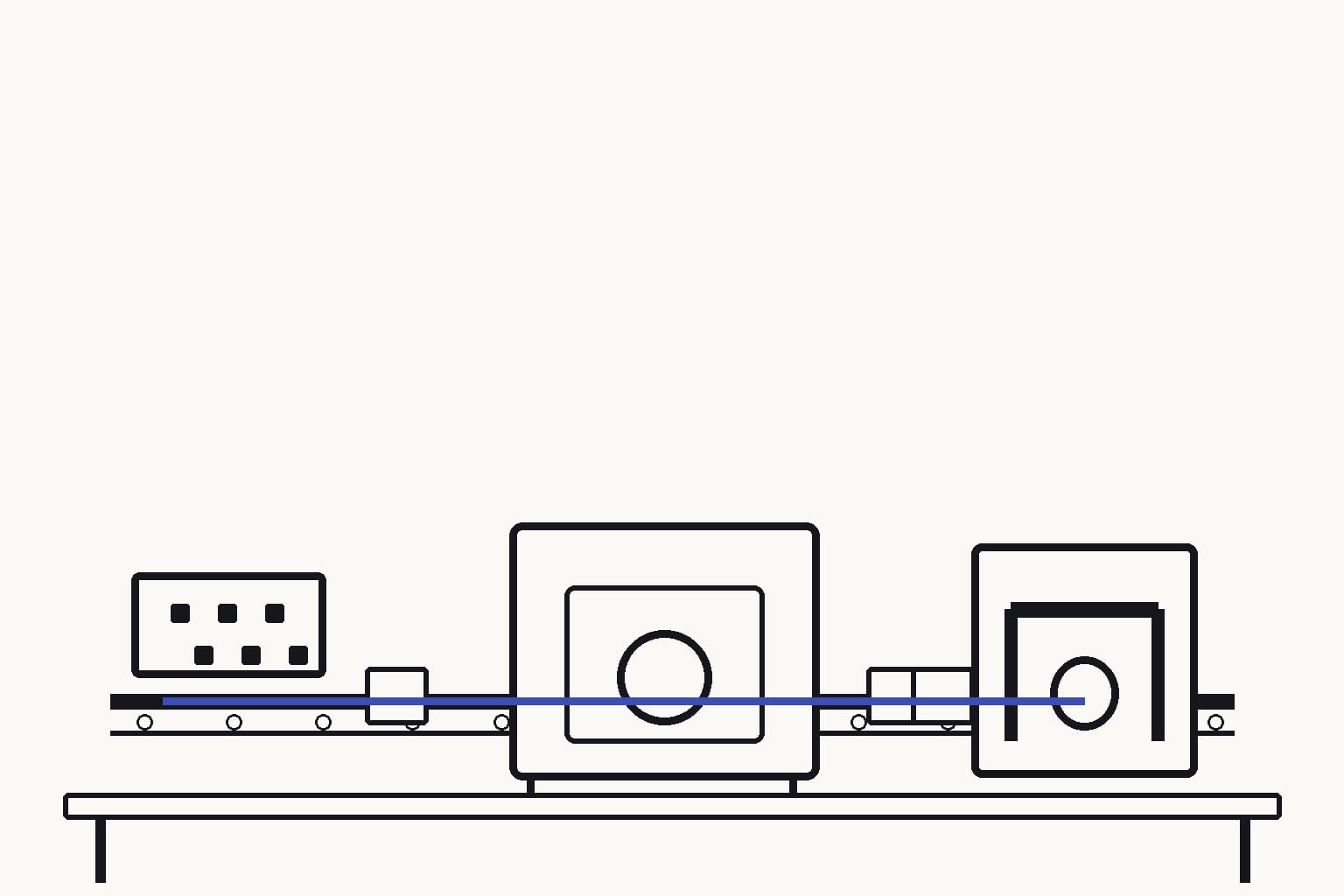
Those errors are not random noise. They cluster. They live on thin, low-dimensional manifolds of failure. That structure is good news: predictable failure is correctable failure. If you can characterize the error, you can constrain the search. If you can constrain the search, you can promise makeability.
The approach is to treat the error manifold as a first-class object. Its shape is measured, properties about it are proved, and those properties are folded back into the generative model. The result is not another black-box score. It is a certificate: a machine-checkable argument that a candidate satisfies stated assumptions about synthesis, stability, and performance.
The system
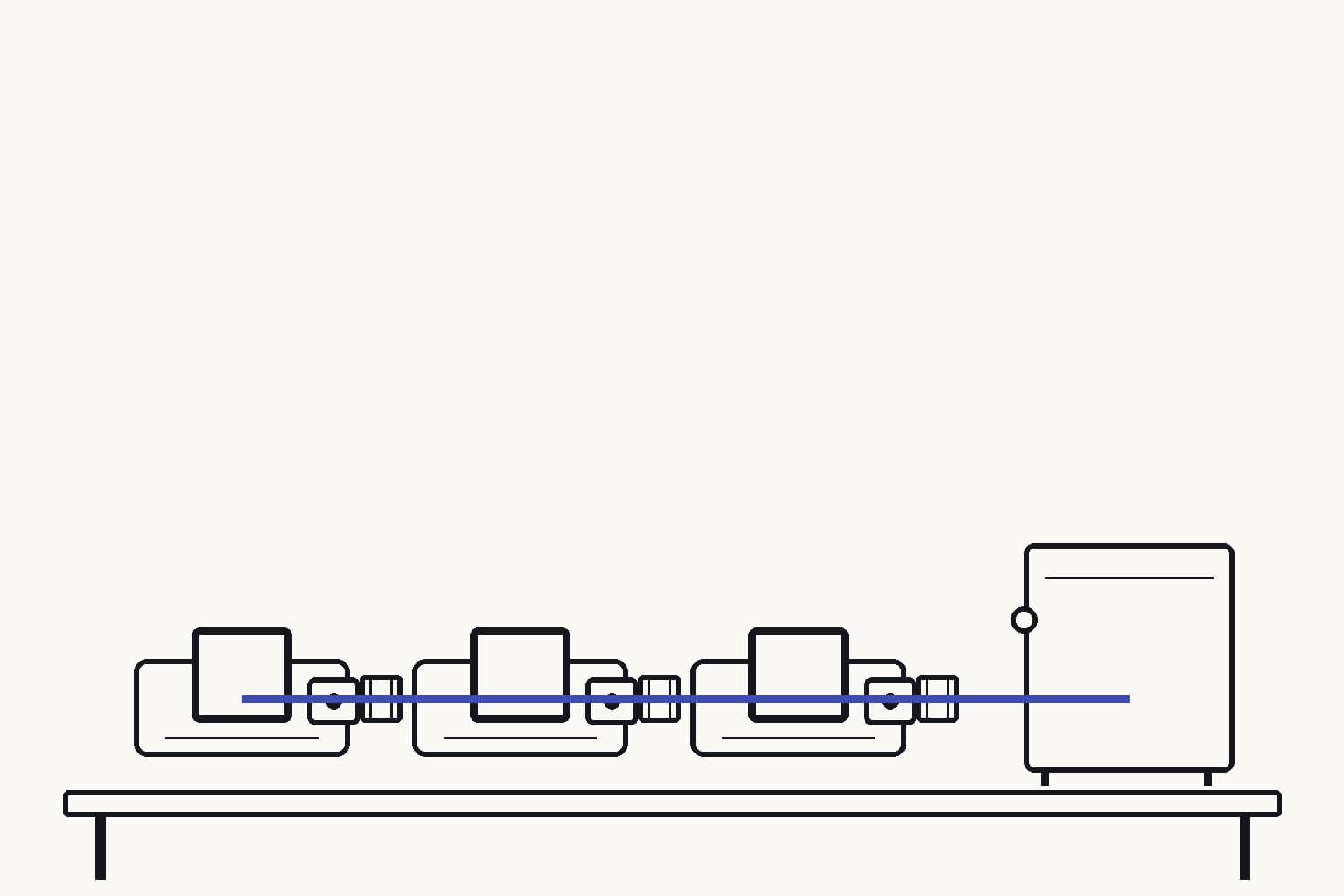
The makeability layer for AI-driven materials discovery has three parts:
-
Formal rules of makeability. The rules encode what it means for a material to be synthesizable, stable, and useful. They live in a proof assistant (Lean 4) so they can be audited, composed, and extended.
-
Simulation under constraint. AI potentials and molecular simulations run only over the region of design space that the rules allow. This filters fantasy frameworks before they ever reach a lab.
-
Closed-loop validation. Every experiment updates the rules. Every failed synthesis makes the next certificate stronger. The loop is: formalize, simulate, synthesize, feedback.
The public face of this work is LUPI—a live viewer and measurement tool for exploring the makeability landscape—and the open record at lupine.science, where claims, refutations, and machine-checked theorems are committed for anyone to inspect.
The launch film
The launch film introduces that shift. A thirty-second film about the moment a field moves from fantasy frameworks to makeable materials.
The film is generated entirely with AI tools—images, motion, narration, and music—then composited with open-source software. That is not a gimmick. It is a small demonstration of the same principle applied to materials: AI produces possibilities; rigorous process turns them into something you can trust.
Why now
Three forces are converging:
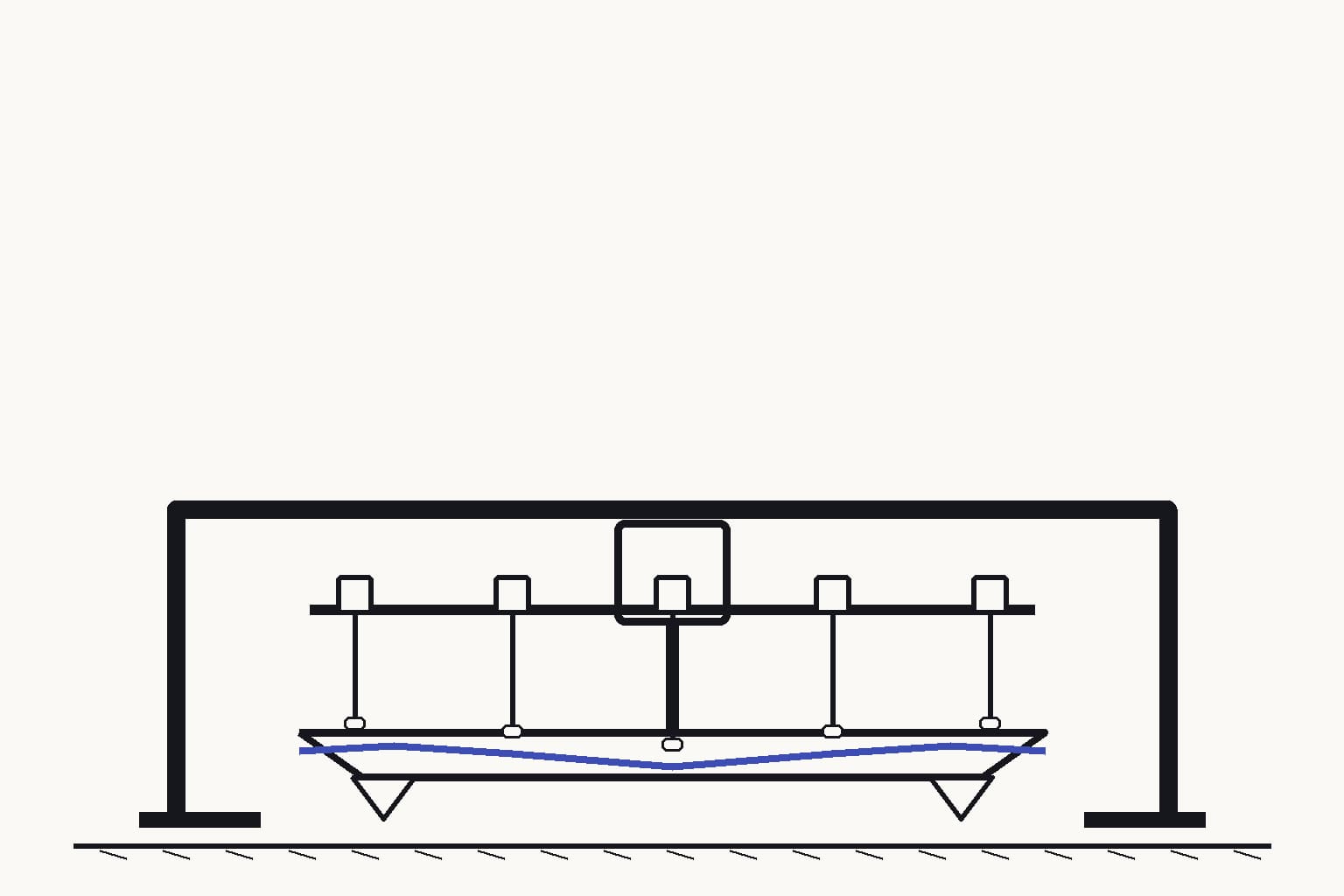
- Generative models for molecules and crystals are now fast and cheap enough to flood the design space.
- Machine-learning potentials such as MACE and Orb are accurate enough to replace expensive DFT in many screening loops.
- Proof assistants such as Lean 4 are mature enough to express non-trivial mathematical physics and verify it mechanically.
Together, they make a new kind of science possible: one where simulation and proof move at the speed of software, and where every claim carries an auditable certificate.
The invitation
The offering is not a model. It is a protocol—a way for labs, model builders, and formalizers to collaborate on materials that can actually be made.
If you are a materials scientist with synthesis data, an AI team with a generative model, or an investor who believes the winning platform will be the one that de-risks the lab queue, get in touch.
The record is open. The theorems are being written. The materials are waiting.
Visit lupine.science.